

Description:
Every day, thousands of people work with substances that have the potential to cause harm. Many of these products are used routinely and may appear harmless, but if they are not stored, handled or used correctly, they can lead to serious health problems including skin disease, respiratory illness, burns, poisoning and long-term occupational disease.
Whether you work in construction, manufacturing, engineering, facilities management, waste and recycling, highways maintenance, warehousing or an office environment, understanding COSHH helps to protect you, your colleagues and anyone who may be affected by your work.
Estimated time: 30 minutes
Course price: £30
Created by: MB Thomas Training & Consultancy Ltd
Disclaimer: This course provides general safety awareness and does not replace site-specific risk assessments, method statements or supervision.
Copyright © All rights reserved The eLearning Group Ltd 2024 & MB Thomas Training & Consultancy Ltd 2026.
- Teacher: Craig Stephens
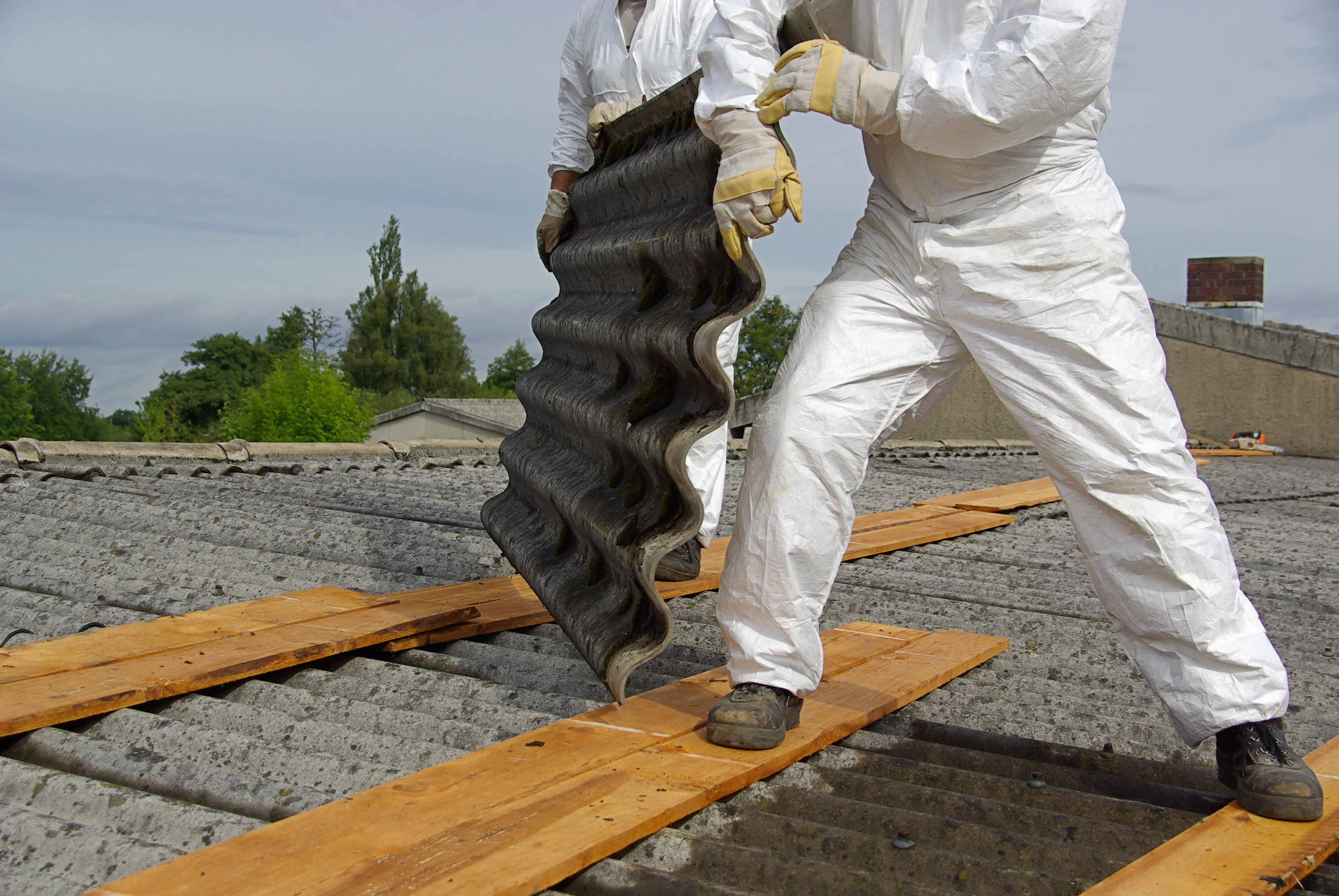
In a Nutshell: Although asbestos was banned in the UK in 1999, it remains present in hundreds of thousands of buildings. Every year, thousands of workers are accidentally exposed to asbestos fibres whilst carrying out routine maintenance, refurbishment and repair work. When asbestos-containing materials (ACMs) are disturbed they release microscopic fibres into the air. These fibres cannot be seen, smelled or tasted and can remain airborne for many hours. Once inhaled they may cause serious diseases including mesothelioma, lung cancer and asbestosis, often decades after exposure.
What's covered: What asbestos is, why it was used, where it may still be found, the health risks associated with exposure and the legal responsibilities placed upon employers and employees

Description: Manual handling injuries are one of the most common causes of workplace injury in the UK, particularly in sectors such as construction, highways maintenance, waste management, logistics and utilities. These injuries often affect the lower back, shoulders and joints and can lead to long-term musculoskeletal disorders. Many injuries occur during routine tasks where workers underestimate the risk or use poor lifting techniques due to time pressure.
Estimated time: 30 minutes
Course price: TBC
Created by: MB Thomas Training & Consultancy Ltd
Disclaimer: This course provides general safety awareness and does not replace site-specific risk assessments, method statements or supervision.
Copyright © All rights reserved The eLearning Group Ltd 2024 & MB Thomas Training & Consultancy Ltd 2026.

In a Nutshell: Falls from height remain one of the leading causes of fatal and serious workplace injuries in the UK. Many incidents occur during short-duration tasks where workers assume the risk is low or where safe access equipment is not used. Even falls from relatively low heights such as ladders, vehicles or small platforms can result in serious injuries including fractures, spinal damage or head injuries.
What's covered: What working at height means, common causes of falls from height, relevant UK health and safety legislation, the hierarchy of control for work at height, safe use of ladders and access equipment, and recognising unsafe conditions and stopping work.
Created by: MB Thomas Training & Consultancy Ltd
Disclaimer: This course provides general safety awareness and does not replace site-specific risk assessments, method statements or supervision.
Copyright © All rights reserved The eLearning Group Ltd 2024 & MB Thomas Training & Consultancy Ltd 2026.
- Course creator: Surge Test